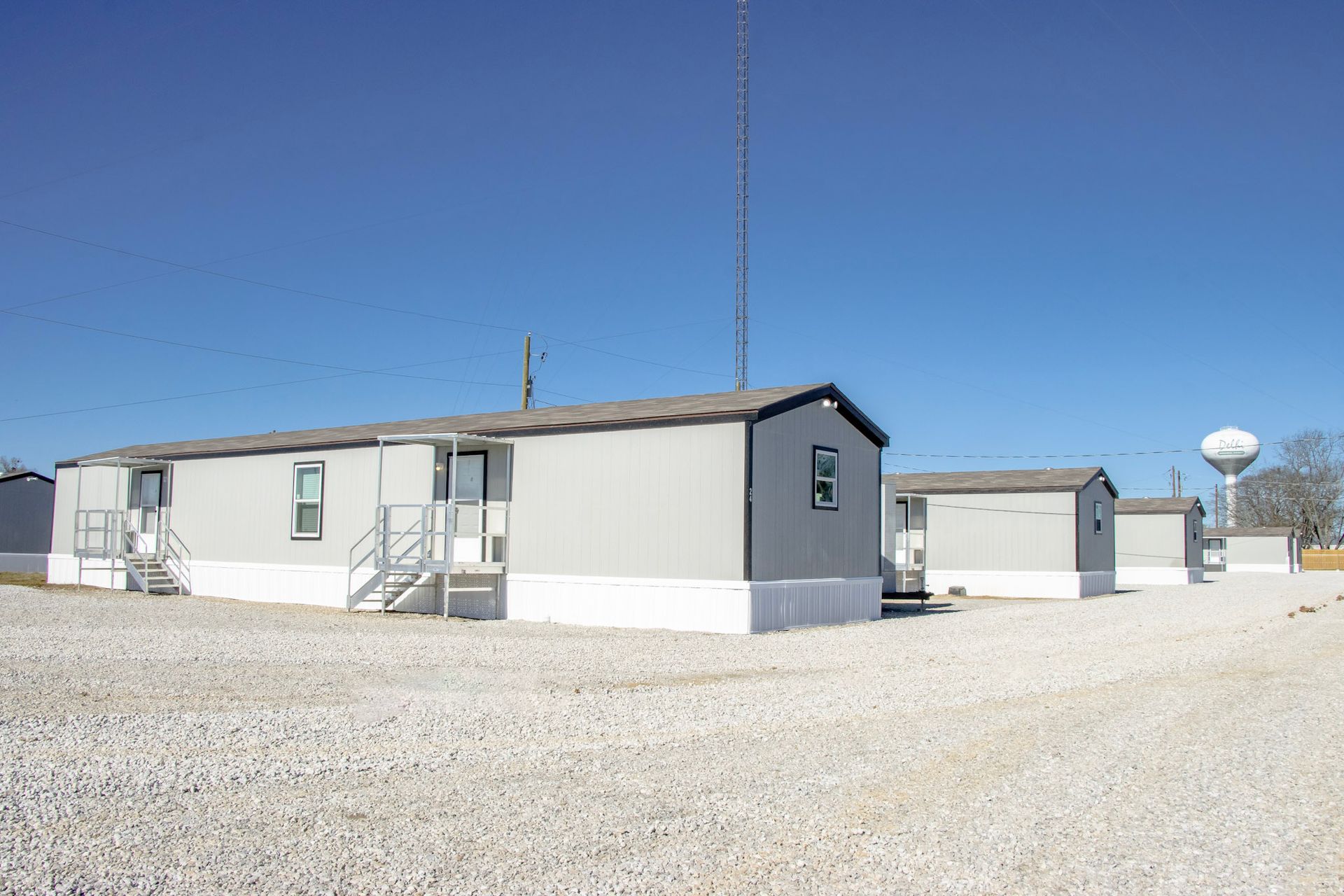
Permitting, Power, and Water: The Real Drivers of Workforce Housing Timelines
When people think about workforce housing deployment, they often focus on the housing
units themselves. However, the true drivers of project timelines are usually
permitting,
power, and
water infrastructure.
These elements determine how quickly a site can become operational.
Permitting Sets the Pace
Permitting requirements vary significantly by location and project type.
Approvals may be required for:
- Site development
- Utilities
- Environmental compliance
- Temporary structures
- Occupancy
Starting permitting activities early helps maintain project
momentum.
Reliable Power Is Essential
A workforce housing community requires dependable electrical service to support:
- Housing units
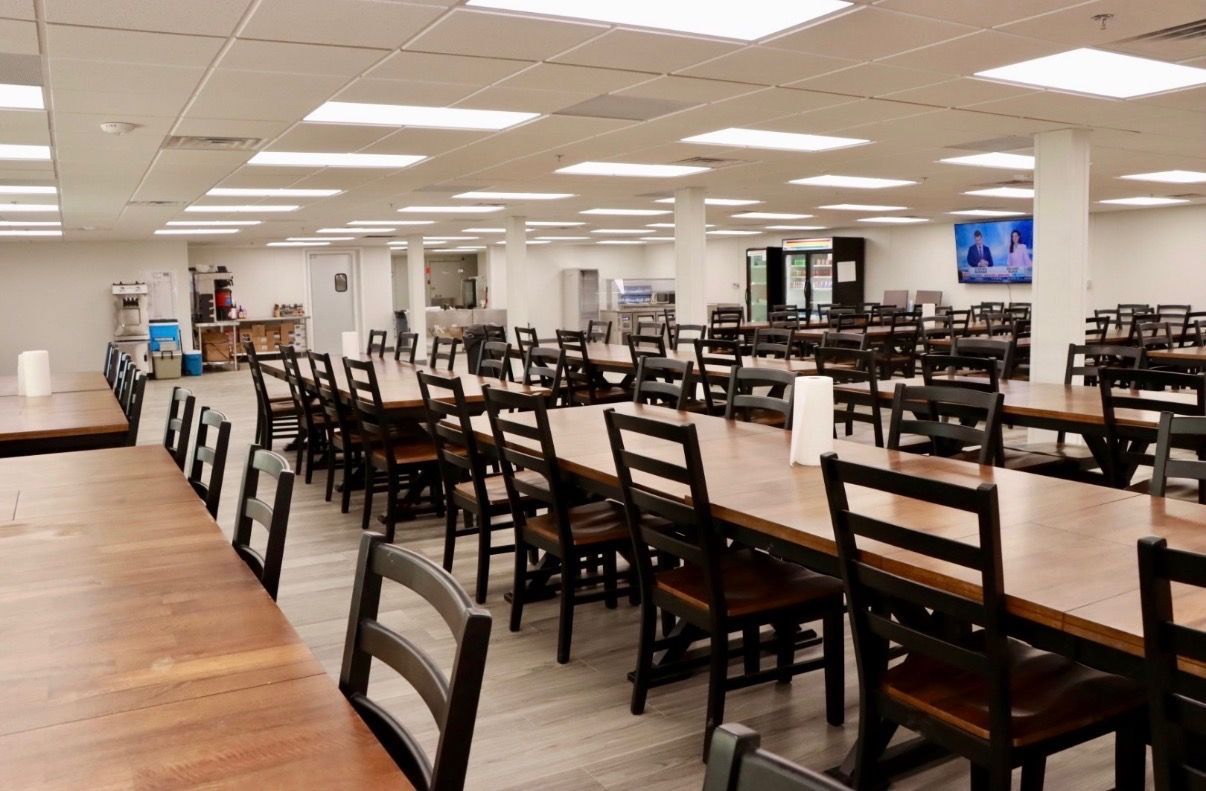
- Dining facilities
- Laundry operations
- Communications systems
- Security infrastructure
Power planning should begin well before deployment to ensure capacity and availability.
Water and Wastewater Infrastructure
Water systems are equally critical.
Organizations must account for:
- Potable water supply
- Wastewater management
- Storage capacity
- Treatment requirements
Without adequate
water infrastructure, even the best-designed housing deployment cannot operate effectively.
Coordination Is Everything
Permits, power, and water all influence one another. That's why workforce housing should never be planned in isolation.
Corporate Mobile Housing coordinates housing and infrastructure solutions simultaneously, helping clients avoid bottlenecks and accelerate workforce readiness.
Building a Workforce-Ready Environment
Successful workforce housing deployments are built on infrastructure, not just accommodations.
By focusing on permitting, utilities, and site readiness from day one, organizations can reduce risk and improve deployment timelines.