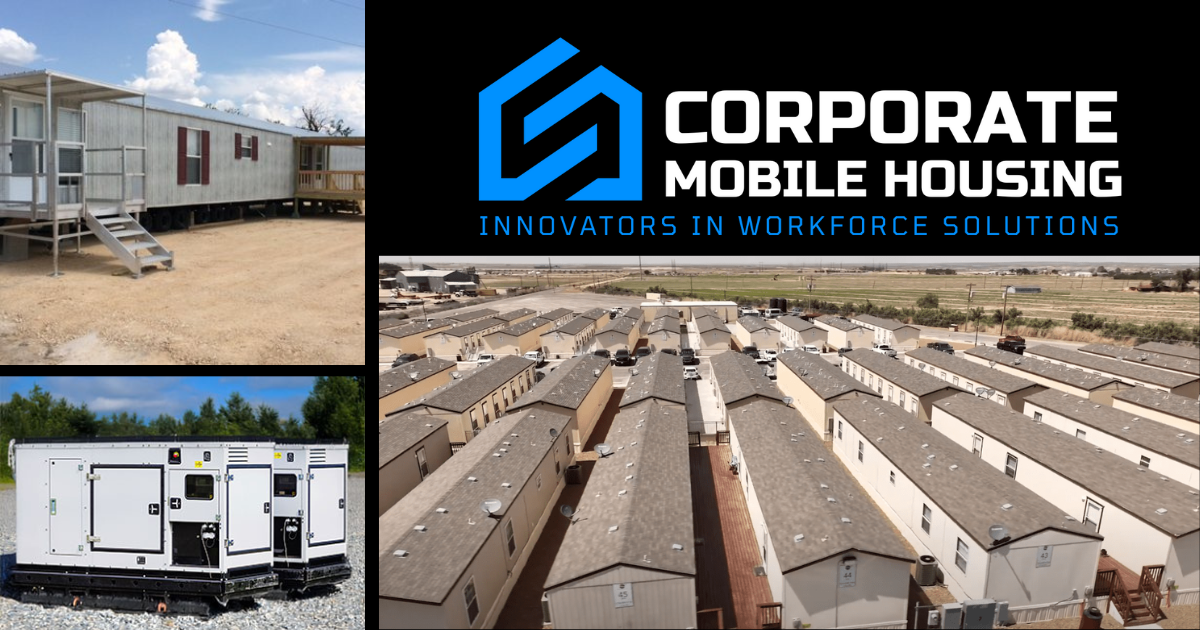
The Evolution of Workforce Housing—and the Role of Corporate Mobile Housing
Workforce housing has undergone a major transformation over the past two decades. What was once a basic logistical necessity—simply providing a place for workers to sleep—has evolved into a strategic component of project success.
From Basic Shelter to Strategic Infrastructure
In earlier stages of industrial and construction growth, workforce housing was often temporary, inconsistent, and disconnected from the broader needs of a project. Companies relied on hotels, scattered rentals, or makeshift accommodations that frequently led to inefficiencies, worker fatigue, and high turnover.
As industries like energy, large-scale construction, and data centers expanded into remote locations, this approach became unsustainable. Modern projects require thousands of workers to operate efficiently in areas far from urban infrastructure, creating demand for housing solutions that are scalable, reliable, and fully integrated.
Today, workforce housing has evolved into fully managed, turnkey environments—essentially temporary communities that support every aspect of daily life.
The Rise of Turnkey Workforce Communities
Modern workforce housing now includes far more than lodging. It encompasses:
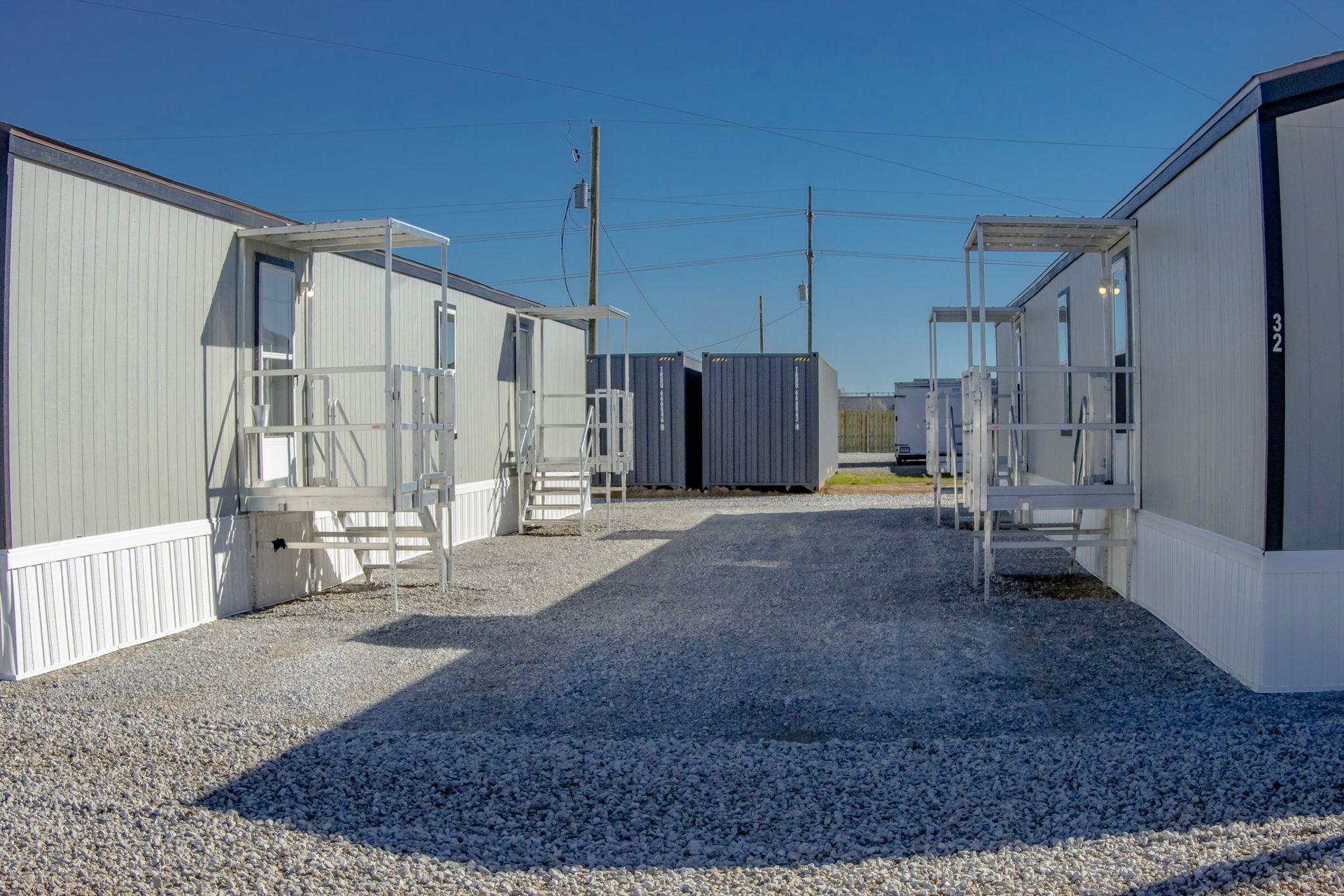
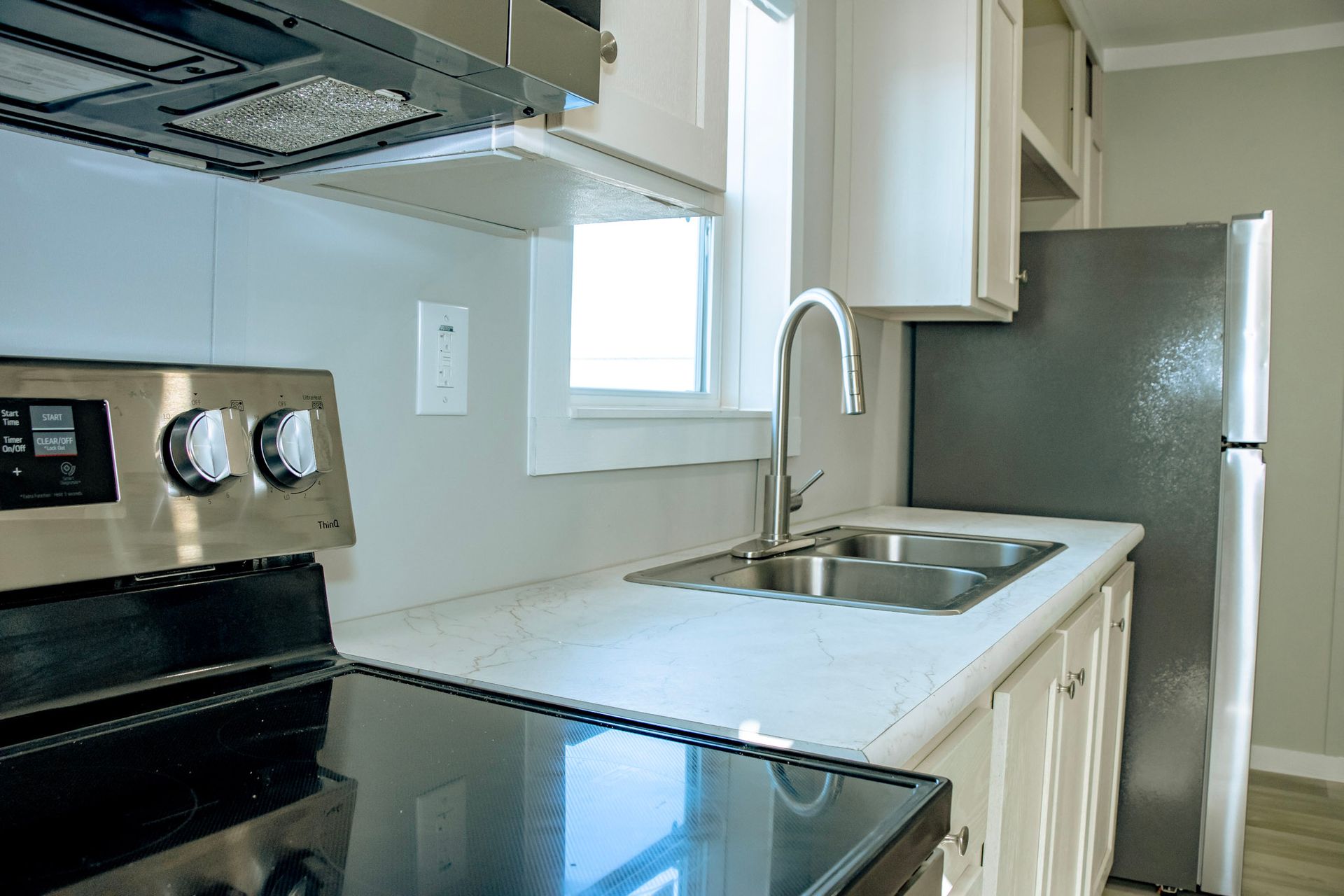
- Fully furnished modular accommodations
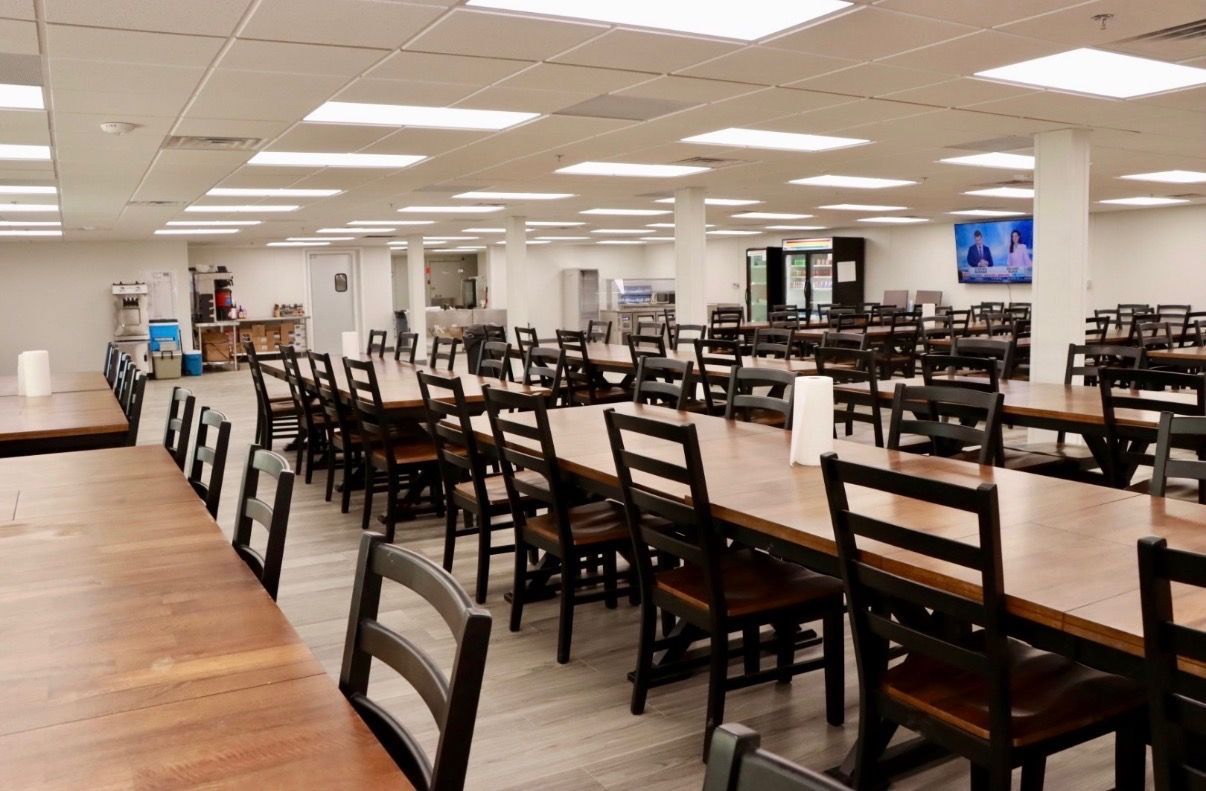
- Food service and dining operations
- Power, water, and wastewater infrastructure
- Communications and connectivity systems
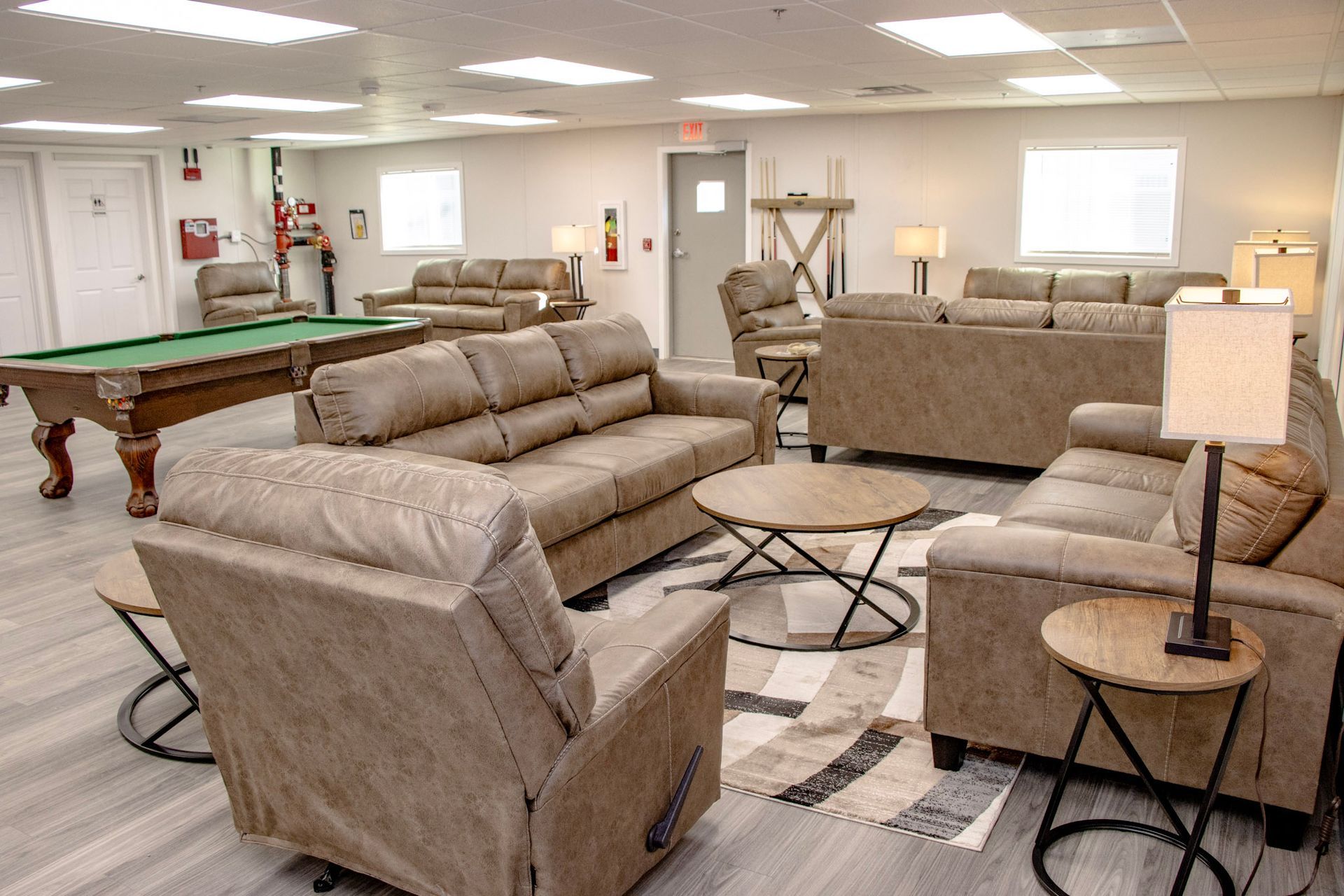
- Recreation, housekeeping, and site management
This shift reflects a broader understanding: worker comfort, safety, and morale directly impact productivity and project timelines.
As a result, workforce housing is no longer an afterthought—it’s a competitive advantage.
How Corporate Mobile Housing Fits Into the Evolution
Since its founding in 2005, Corporate Mobile Housing has been part of this transformation, helping redefine what workforce housing can be.
Rather than offering standalone units, the company delivers complete, end-to-end workforce solutions. Their approach includes:
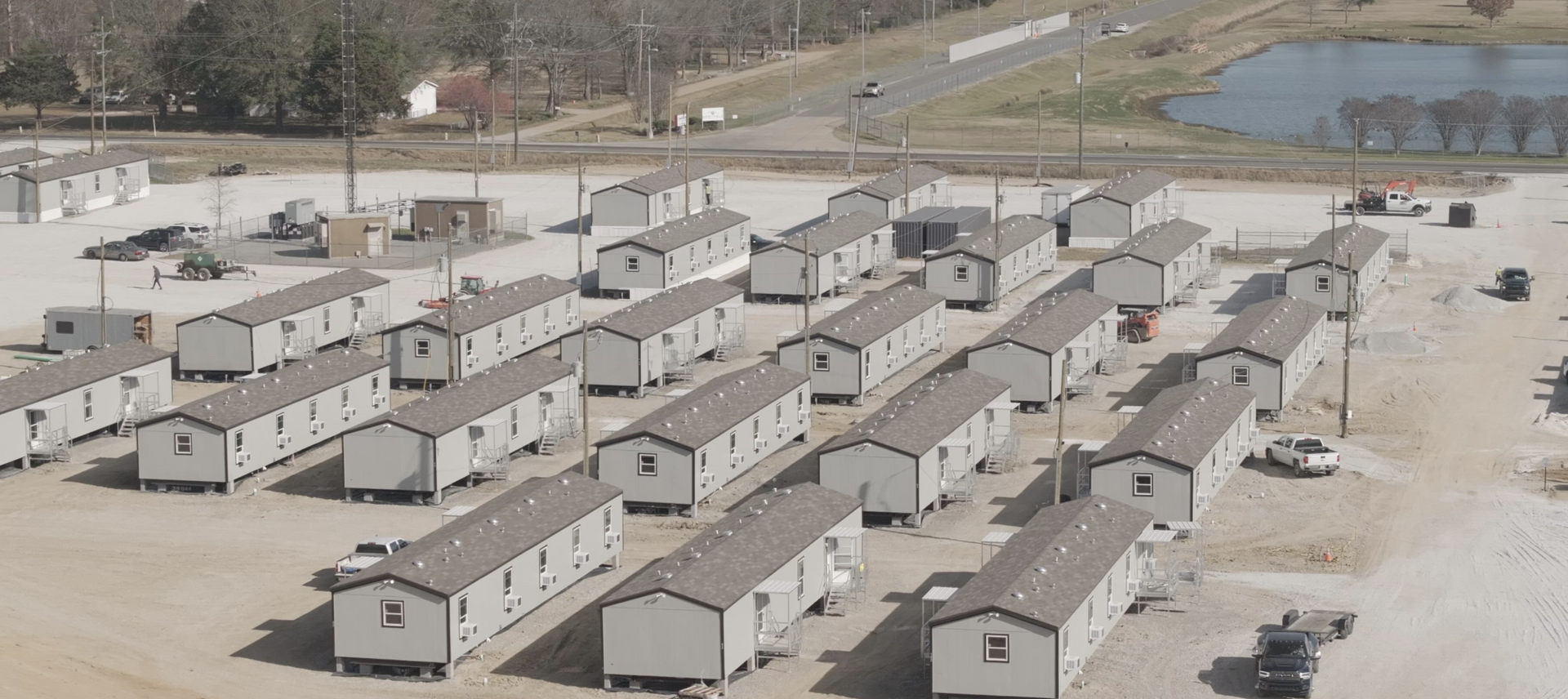
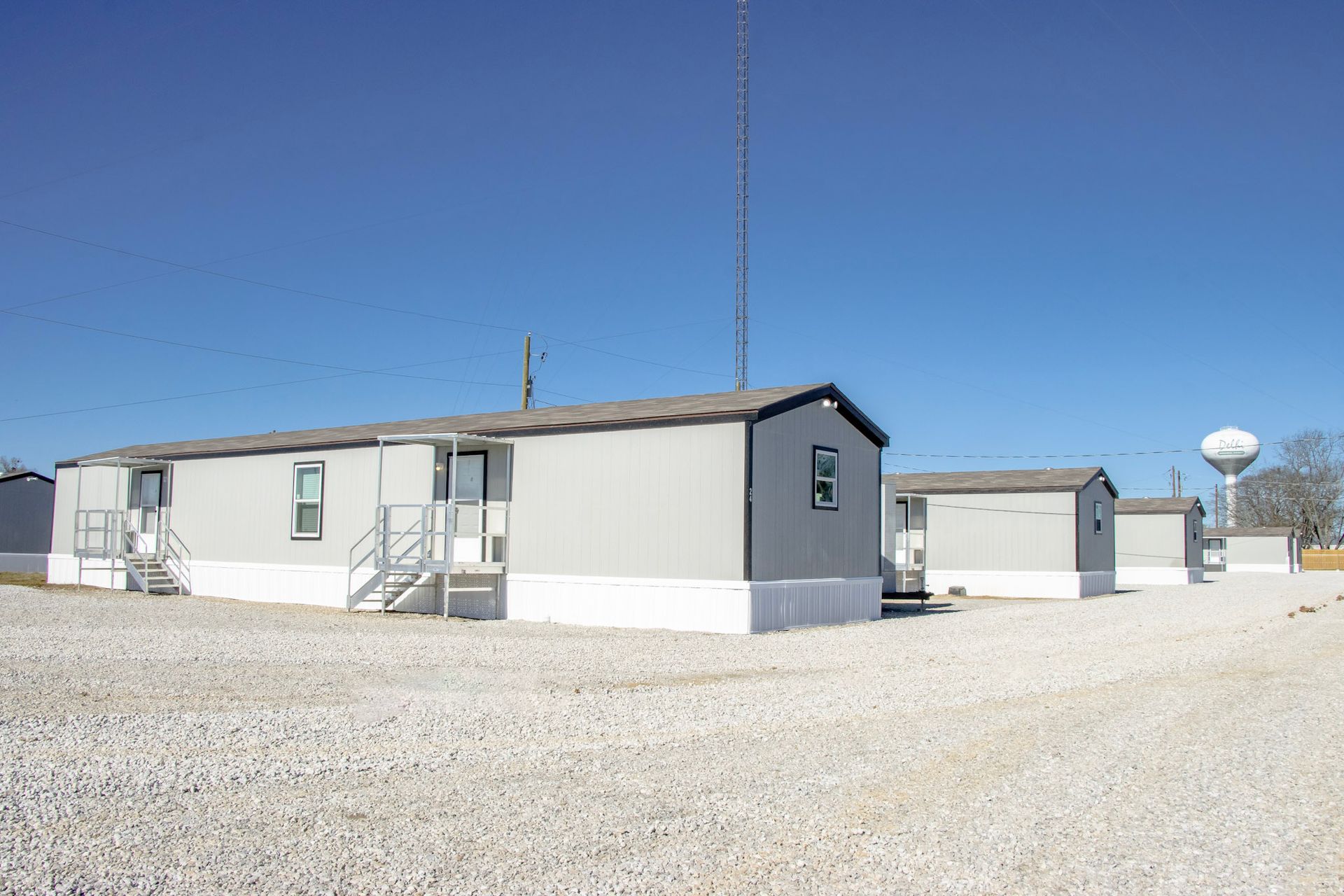
- Turnkey mobile housing and RV villages
- Full site engineering, permitting, and setup
- Ongoing operations including food service and maintenance
- Scalable solutions tailored to project size and lifecycle
This comprehensive model allows companies to focus on their core work—building, producing, and delivering—while housing and logistics are handled by a single experienced partner.
Supporting the Next Generation of Projects
The evolution of workforce housing is especially evident in large-scale, modern developments. For example, Corporate Mobile Housing has supported major infrastructure projects like hyperscale data centers by developing fully operational lodging villages with amenities ranging from dining facilities to recreation spaces.
These projects demonstrate how workforce housing has become an extension of the job site itself—purpose-built to enhance efficiency, morale, and long-term success.
A Strategic Shift That’s Here to Stay
As industries continue to expand into remote and complex environments, the demand for high-quality workforce housing will only grow. The shift from temporary shelter to fully integrated workforce communities reflects a broader trend toward operational efficiency and employee wellbeing.
Companies that recognize this evolution—and partner with providers like Corporate Mobile Housing—are better positioned to keep projects on schedule, retain skilled labor, and ultimately deliver stronger results.