Why You Should Engage Workforce Housing at Day 0
When organizations plan large-scale construction, industrial, energy, disaster recovery, or infrastructure projects, workforce housing is often viewed as a later-stage consideration.
In reality, the most successful projects begin housing discussions on Day 0.
Early engagement with workforce housing providers can significantly impact project timelines, budgets, and operational efficiency. The sooner housing planning begins, the smoother deployment becomes.
Housing Impacts More Than Accommodations
Many project owners focus first on engineering, procurement, and staffing. However, workforce housing influences several critical components of project readiness, including:
- Site planning
- Permitting requirements
- Utility coordination
- Infrastructure development
- Workforce recruitment and retention
When housing is addressed early, these elements can be planned concurrently rather than sequentially.
Early Planning Accelerates Permitting
Permitting is often one of the most significant schedule drivers for temporary workforce housing projects. Local jurisdictions may require approvals related to:
- Site development
- Water systems
- Wastewater management
- Electrical infrastructure
- Occupancy requirements
Starting these conversations early allows permitting activities to progress alongside project planning rather than delaying deployment later.
Utilities Require Coordination
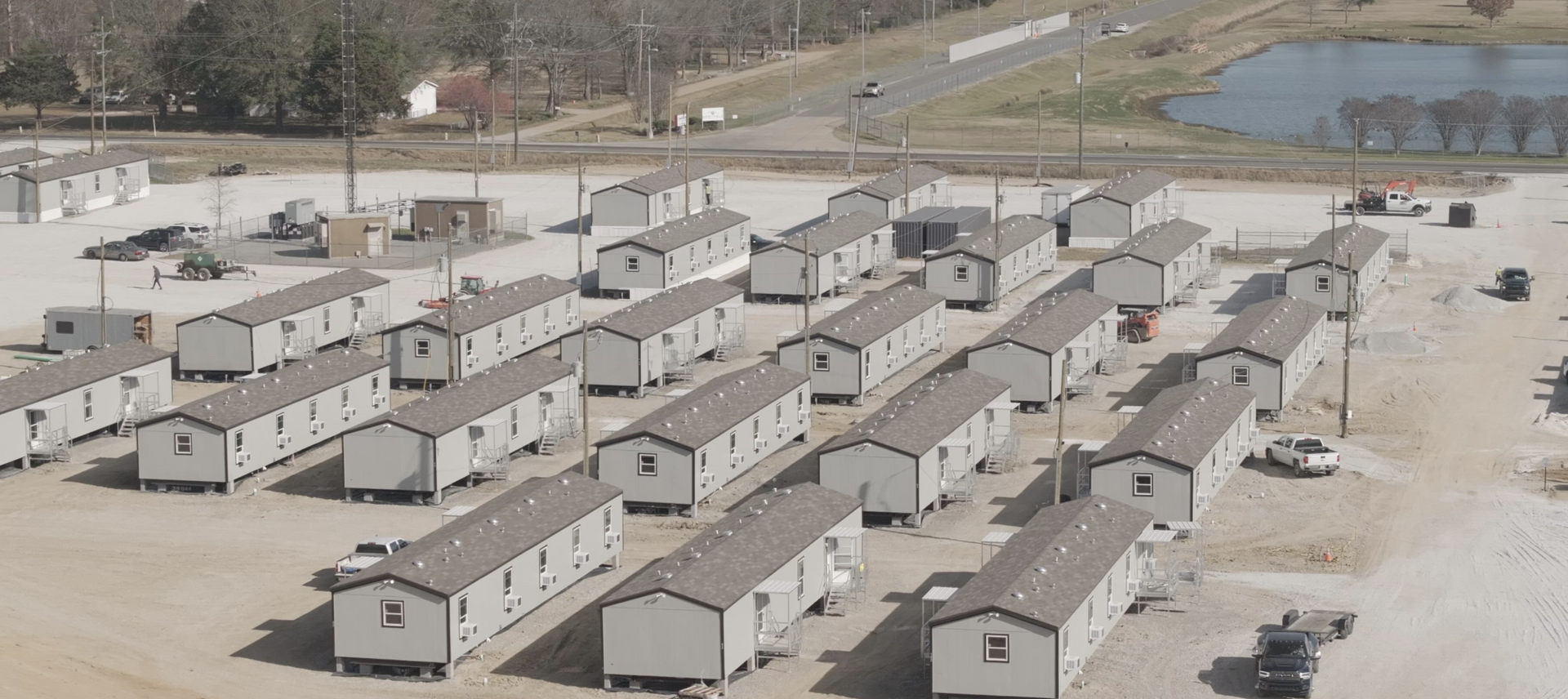
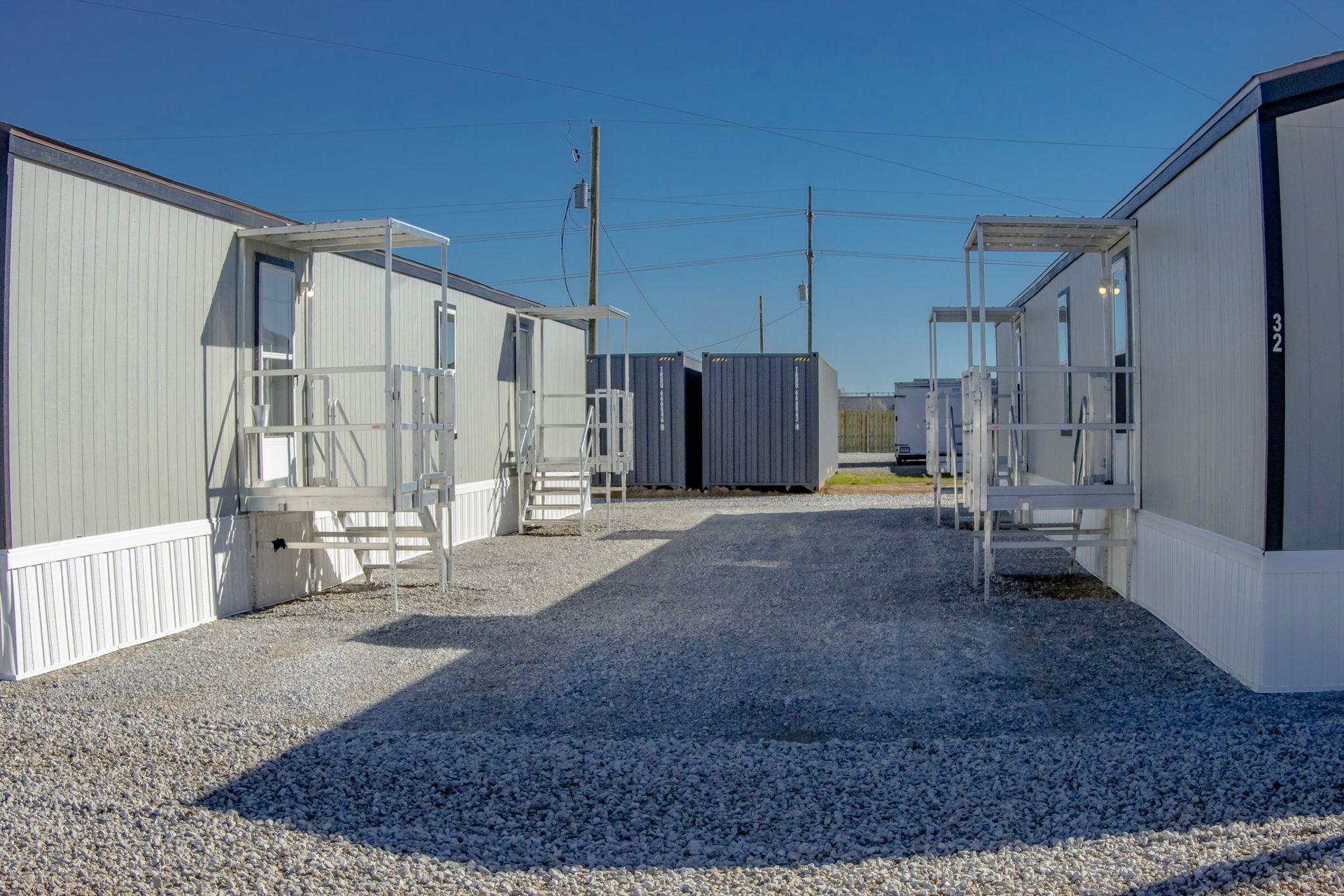
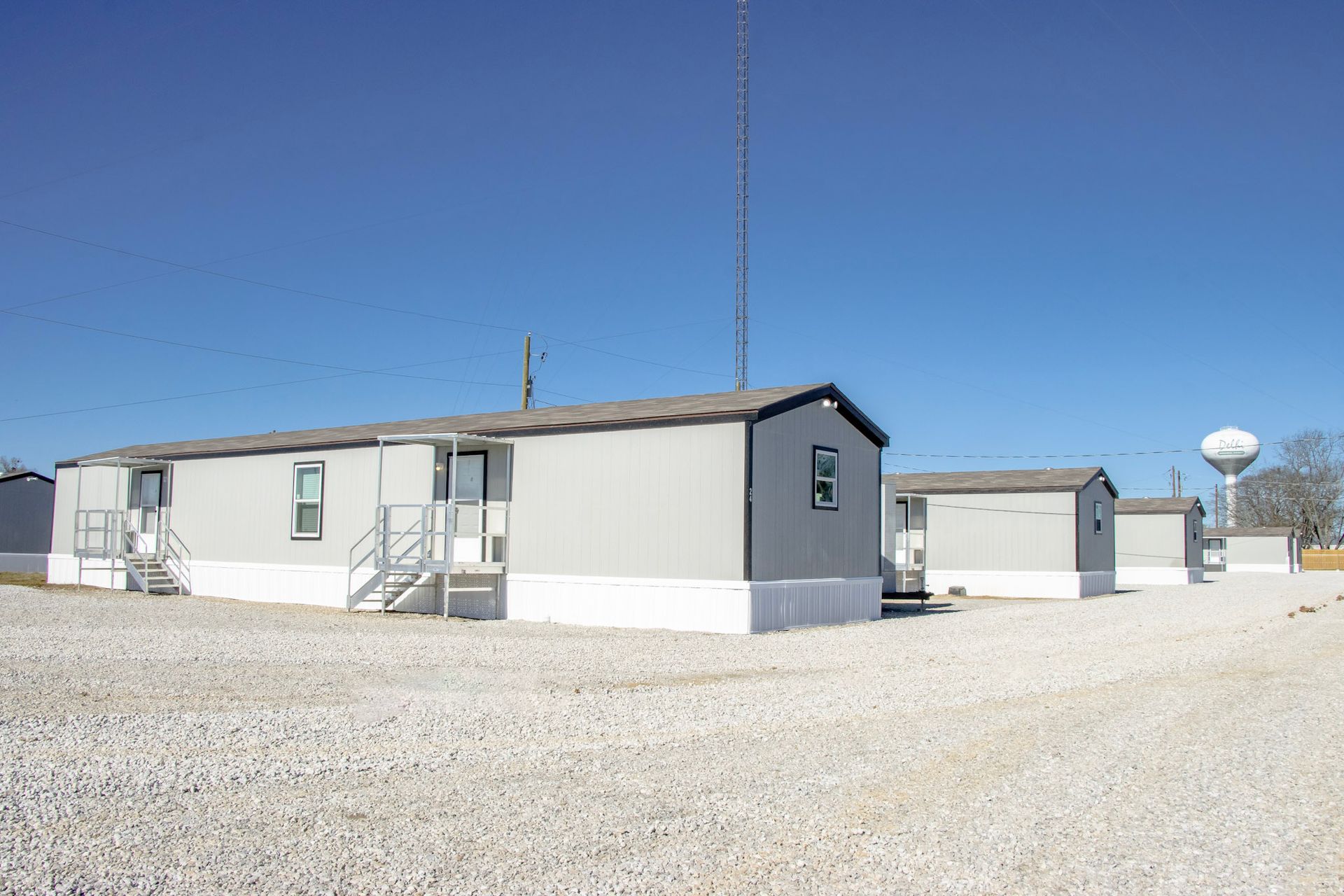
Workforce housing isn't simply about placing units on a site. Successful deployments depend on power, water, wastewater, communications, and supporting infrastructure.
By engaging housing experts early, utility requirements can be identified and incorporated into overall project development plans, reducing costly surprises during mobilization.
Faster Deployment, Lower Risk
Projects that delay housing decisions often face compressed timelines, rushed permitting, and increased logistical challenges. These factors create unnecessary risk and can impact project schedules.
Early engagement allows providers like Corporate Mobile Housing to develop comprehensive deployment strategies that support both workforce readiness and operational efficiency.
The Bottom Line
The most successful workforce housing projects start planning long before workers arrive. By engaging housing specialists at the beginning of a project, organizations gain greater visibility, faster deployment capabilities, and a more reliable path to workforce readiness.
At Corporate Mobile Housing, we help clients move from concept to workforce-ready environments through early planning, integrated infrastructure solutions, and turnkey deployment services.