Understanding the Corporate Mobile Housing Deployment Timeline
One of the most common questions we receive is, "How quickly can workforce housing be deployed?"
The answer depends on planning, permitting, infrastructure, and site conditions. While every project is unique, successful workforce housing deployments follow a proven process designed to maximize efficiency and minimize delays.
Week 1–2: Discovery and Planning
The first phase focuses on understanding project requirements, including:
- Workforce population
- Project duration
- Site location
- Infrastructure needs
- Operational requirements
This stage establishes the foundation for the entire deployment.
Week 2–4: Engineering and Permitting
Once requirements are established, permitting and engineering efforts begin.
This includes:
- Site evaluations
- Utility planning
- Permit submissions
- Infrastructure design
- Regulatory coordination
Proper planning during this stage prevents costly delays later.
Week 4–8: Mobilization
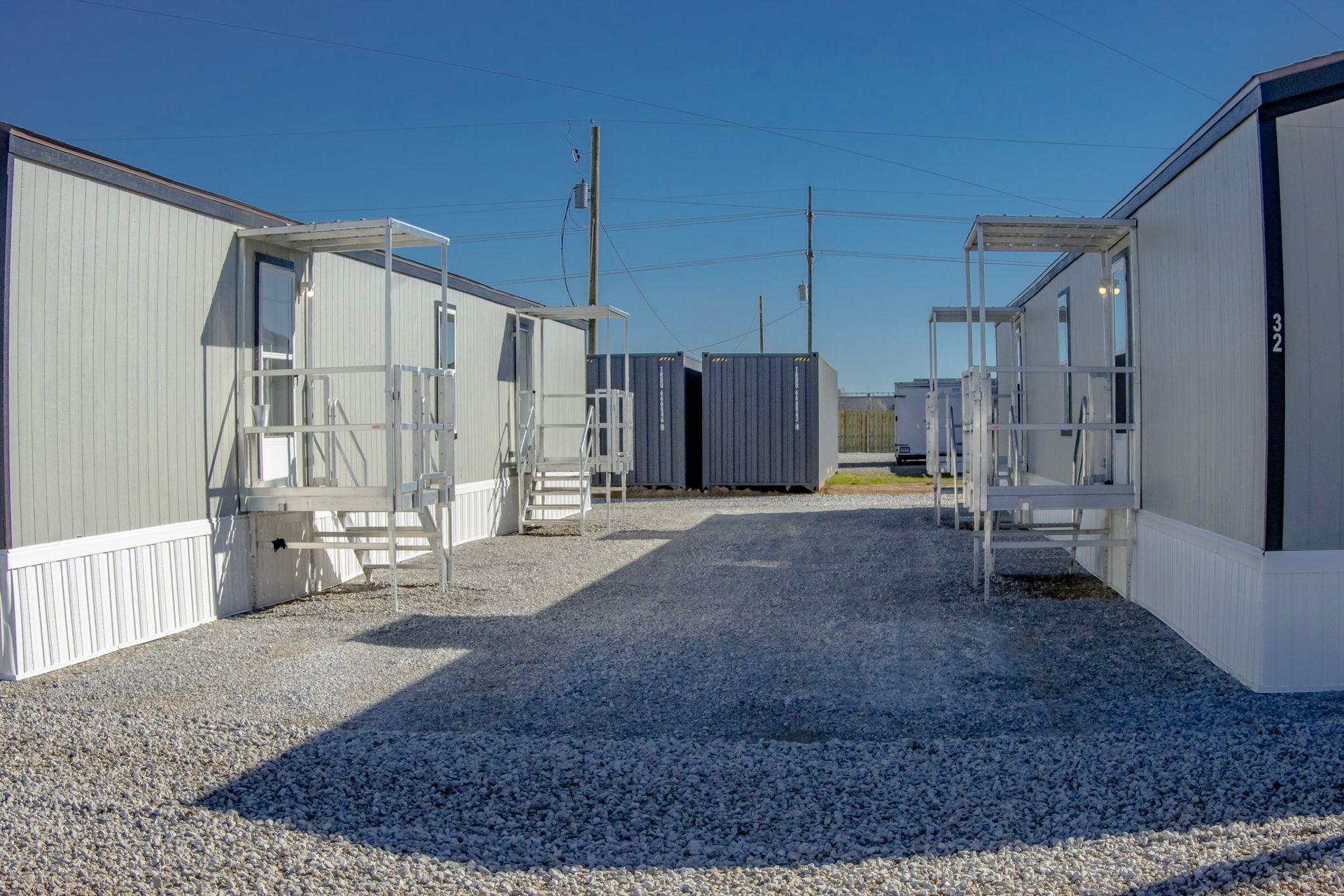
With approvals and planning underway, equipment and resources begin mobilizing to the project site.
Activities may include:
Week 8 and Beyond: Workforce Ready
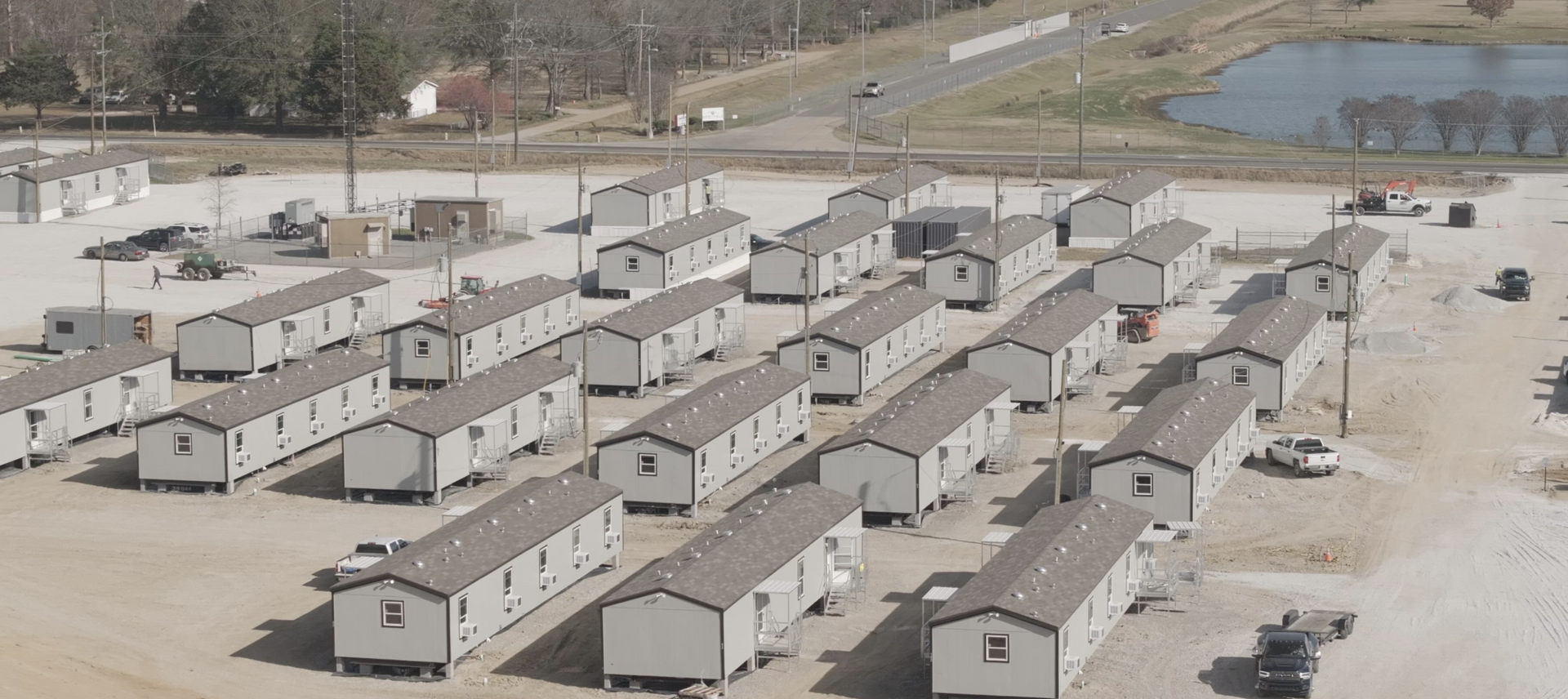
The final phase transforms the site into a fully operational workforce housing environment.
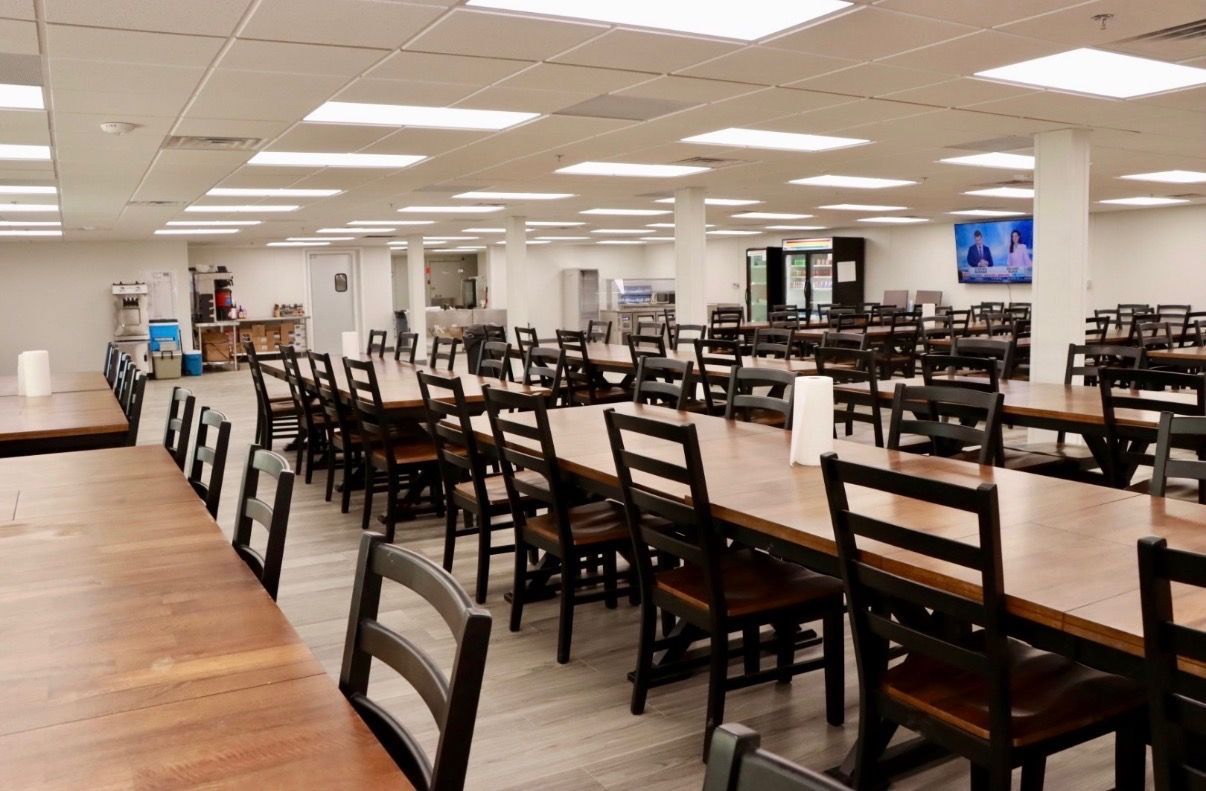
Workers arrive to accommodations supported by the infrastructure necessary for productivity, safety, and comfort.
Speed Comes From Preparation
Organizations sometimes assume faster deployment requires cutting corners. In reality, the opposite is true.
The fastest and most successful workforce housing projects are built on thorough planning, coordinated permitting, and experienced execution.
At Corporate Mobile Housing, we help clients create realistic deployment schedules that balance speed, compliance, and operational success.