Why Companies Shouldn’t Overlook Housing for Their Projects
When companies plan large-scale construction, industrial, or energy projects, they often focus on timelines, budgets, and labor—while overlooking one critical factor: where their workforce will live. Housing isn’t just a logistical checkbox; it’s a strategic decision that can directly impact productivity, safety, and overall project success.
For organizations operating in remote or high-demand areas, workforce housing can make or break a project. Here’s why it deserves a front-row seat in your planning process.
1. Housing Directly Impacts Productivity
A well-rested workforce is a productive workforce. When employees are forced to commute long distances or stay in subpar accommodations, fatigue becomes inevitable—leading to reduced efficiency and increased errors.
Temporary workforce housing solves this by placing workers closer to the job site, reducing travel time and ensuring they arrive ready to perform. Studies show that quality accommodations improve comfort, safety, and overall productivity while minimizing downtime.
At Corporate Mobile Housing, the goal is simple: create environments where workers can recharge, so they can deliver their best on-site performance.
2. It’s a Major Factor in Workforce Retention
Labor shortages are a reality across construction, energy, and industrial sectors. Companies that provide comfortable, well-managed housing gain a competitive edge in attracting and retaining skilled workers.
High-quality accommodations—paired with amenities like food services, recreation, and reliable infrastructure—turn a temporary job site into a livable community. This significantly boosts morale and reduces turnover, saving companies the high costs of rehiring and retraining staff mid-project.
3. Housing Reduces Hidden Project Costs
At first glance, housing might seem like an added expense—but in reality, it’s a cost-saving strategy.
Without a structured housing solution, companies often face:
- Rising hotel and per diem costs
- Lost productivity from long commutes
- Delays due to workforce instability
Purpose-built workforce housing offers scalable, cost-controlled solutions that eliminate these inefficiencies. By centralizing accommodations and services, companies can better predict and manage expenses over the life of the project.
4. Remote Projects Demand Strategic Housing Solutions
Many large-scale projects—data centers, oil & gas operations, infrastructure builds—take place far from urban centers. In these environments, traditional housing options simply don’t exist.
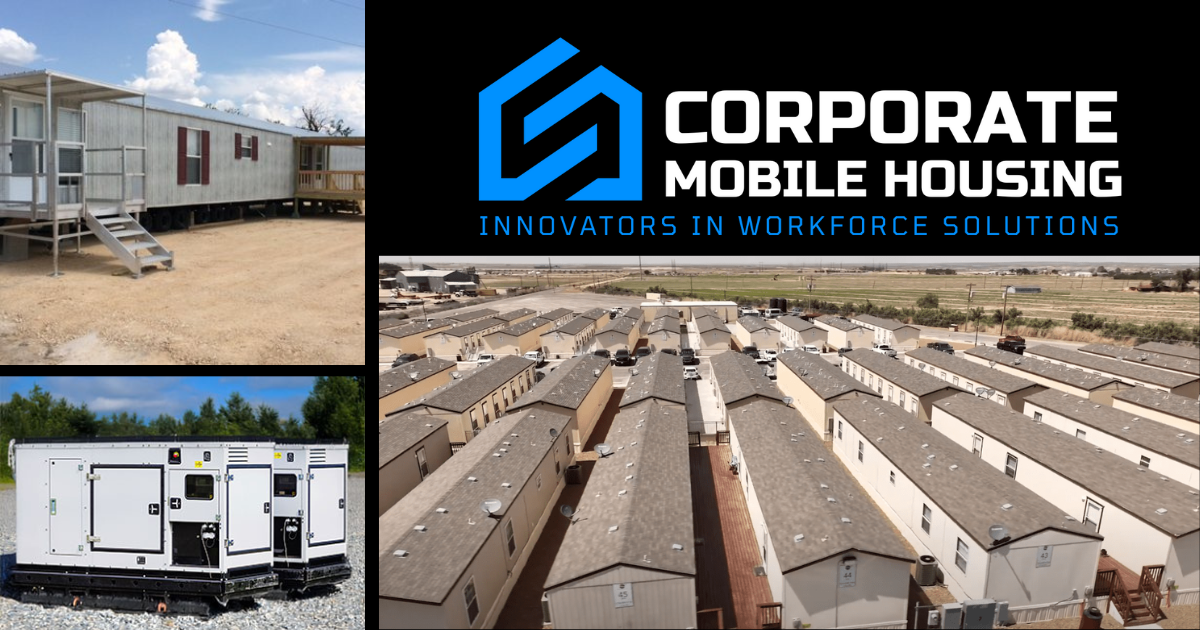
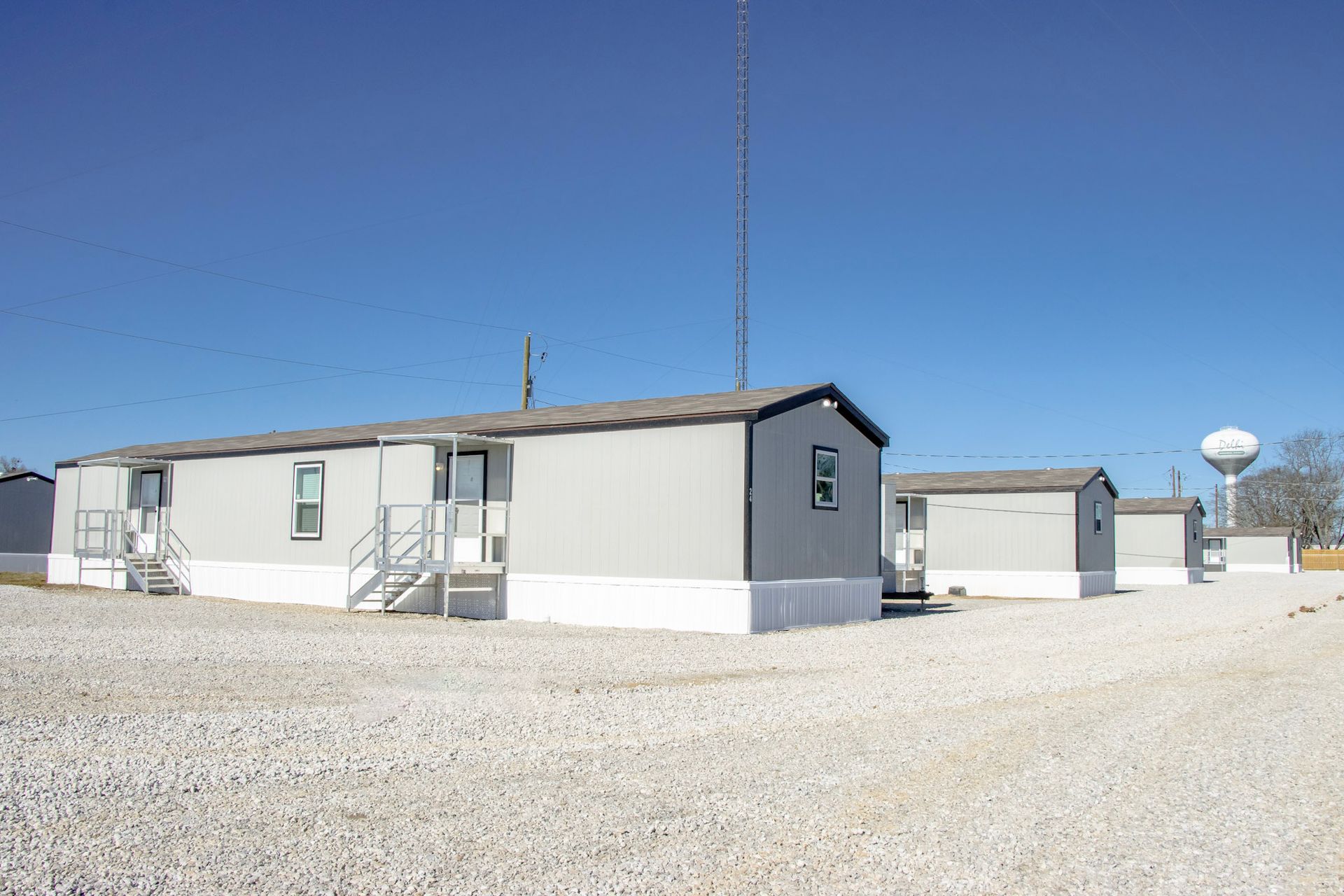
That’s where turnkey solutions come in. Providers like Corporate Mobile Housing deliver fully integrated setups that include:
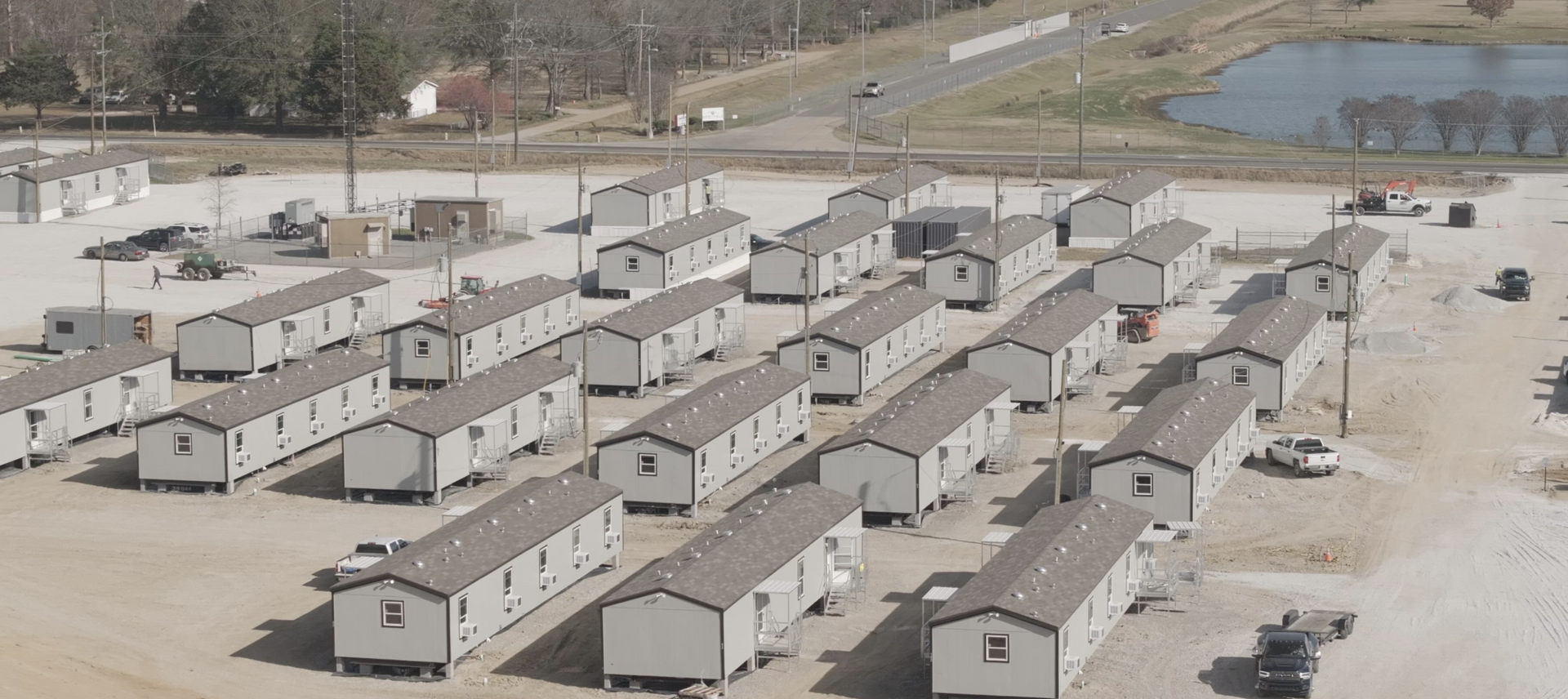
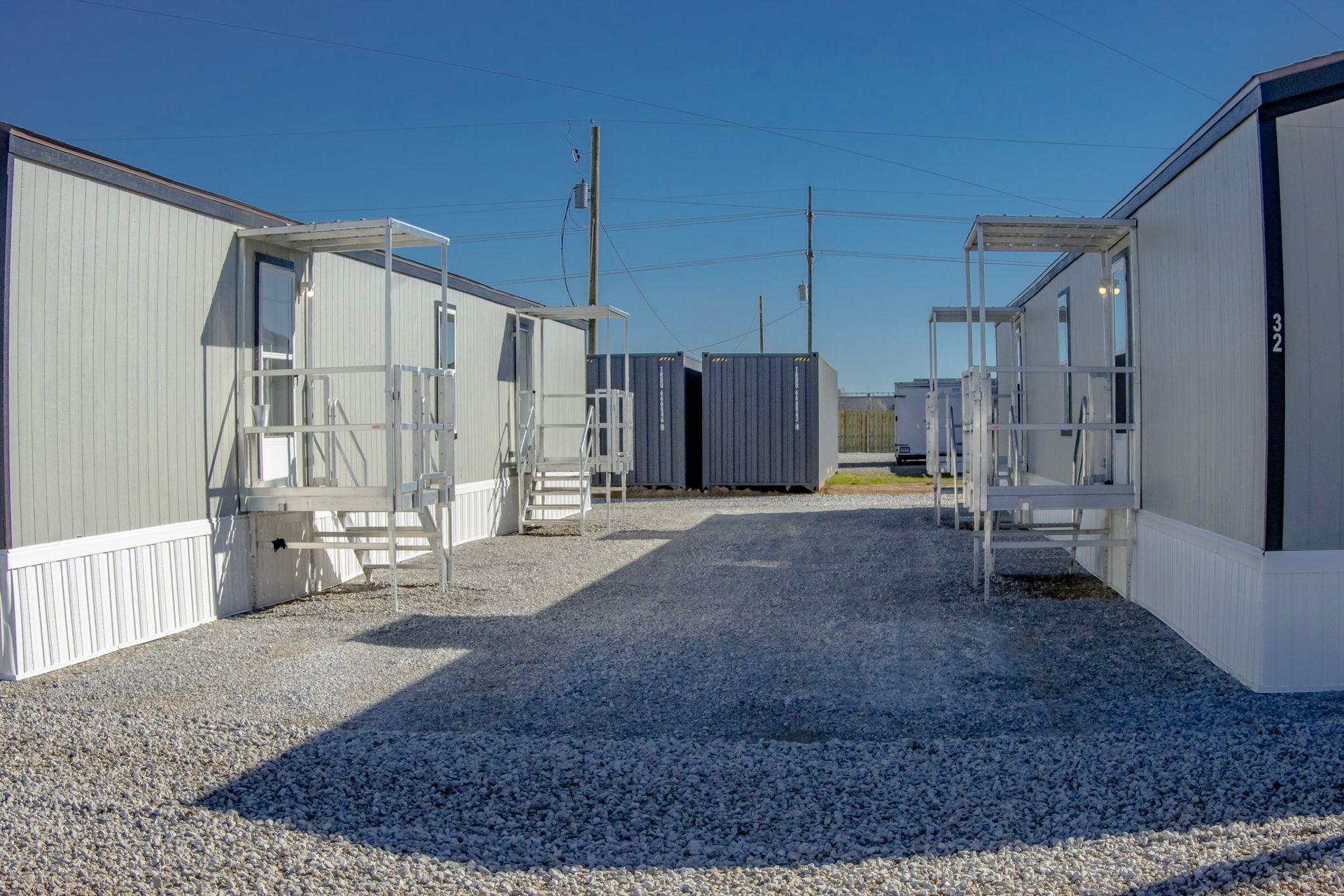
- Mobile housing and modular units
- Power, water, and wastewater systems
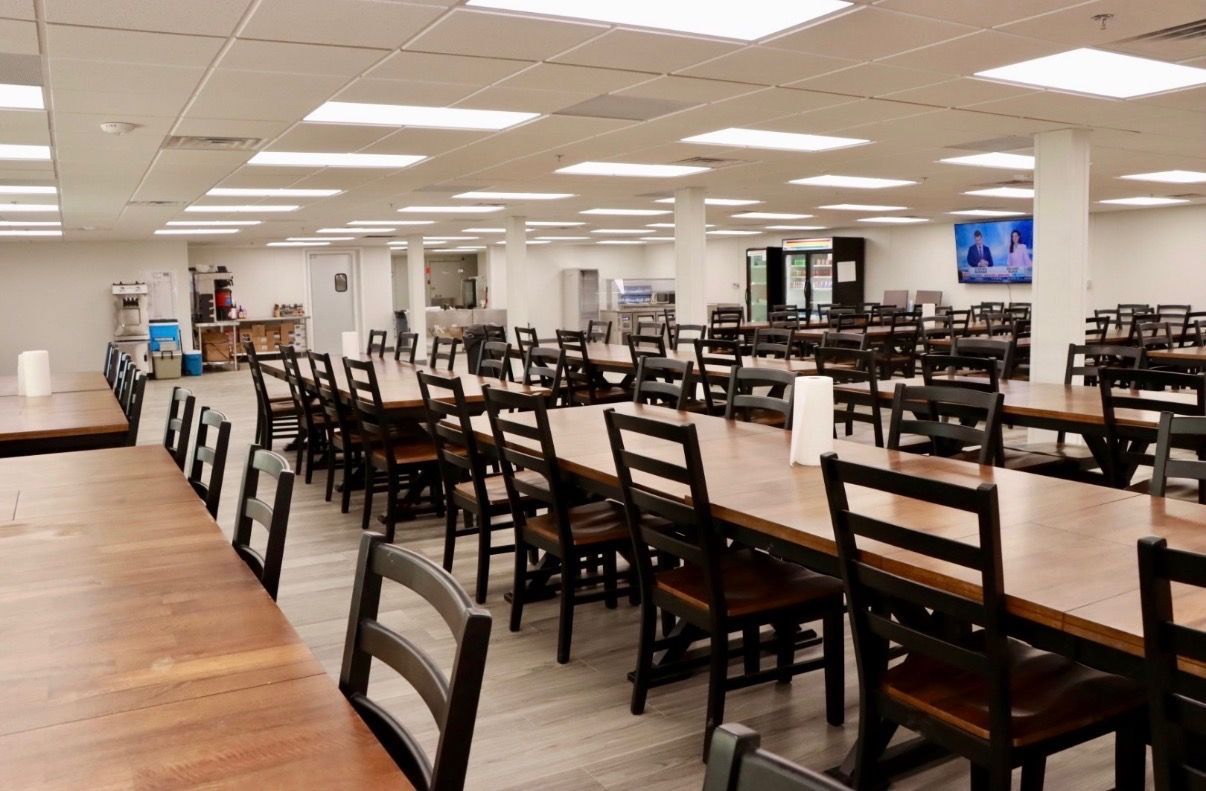
- Food service and dining facilities
- Site management and maintenance
These self-sufficient environments eliminate the burden of building a “temporary city” from scratch and allow project teams to stay focused on core operations.
5. Speed and Flexibility Keep Projects on Track
Time is money—especially in construction and industrial development. Workforce housing
solutions are designed for rapid deployment, allowing crews to be operational faster than traditional housing options.
Modular and mobile housing can be installed quickly, scaled as needed, and even relocated as projects evolve. This flexibility ensures that housing never becomes a bottleneck in your timeline.
6. Housing Supports Safety and Compliance
A poorly housed workforce can introduce safety risks both on and off the job site. Fatigue, stress, and inadequate living conditions can lead to accidents, absenteeism, and compliance issues.
Professionally managed workforce housing ensures:
- Safe, regulated living environments
- Proper sanitation and utilities
- Consistent maintenance and oversight
This not only protects your workforce but also strengthens your overall safety culture.
7. It Allows You to Focus on What Matters Most
Perhaps the biggest advantage of investing in workforce housing is what it removes from your plate.
Instead of juggling housing logistics, permits, utilities, and daily operations, companies can partner with experts like Corporate Mobile Housing to handle it all. From site engineering to setup and ongoing management, these solutions streamline operations and reduce administrative burden.
Final Thoughts: Housing Is a Strategic Investment
Workforce housing is not just about providing beds—it’s about creating an environment where your team can thrive. Companies that overlook housing often face delays, higher costs, and workforce challenges. Those that prioritize it gain a powerful advantage in efficiency, morale, and project execution.
In today’s competitive landscape, smart project planning means thinking beyond the build. It means investing in the people who make it happen—and ensuring they have the right place to call home while they do it.